
EEOC sues grocery store over lack of accommodations in a pregnancy discrimination case
Ralphs Grocery Co., a national grocery store chain, agreed to a $30,000 settlement in a pregnancy discrimination lawsuit. The U.S. Equal Employment Opportunity Commission (EEOC) filed the lawsuit in the U.S. District Court for the Southern District of California.
The federal agency alleged that a courtesy clerk at a Ralphs store in Point Loma, San Diego, was denied a request to modify her work schedule to accommodate her pregnancy. She ended up having to quit her job as a result of the ongoing pregnancy discrimination. The EEOC accused Ralphs of violating the Pregnancy Discrimination Act of 1978, which does not allow pregnancy-based discrimination.
As part of the settlement, Ralphs agreed to provide store workers and managers with training on handling employees’ requests for accommodation due to pregnancy and related medical conditions. The grocery store chain also said it would review and update its policies on workplace discrimination.
Working while pregnant has become increasingly common. As a result, employers have a responsibility to ensure that managers and supervisors understand how to handle pregnant employees’ accommodation requests properly. Federal and California laws protect workers from pregnancy discrimination when they ask for reasonable accommodation such as temporary schedule modifications or changes to job duties to continue working.
If you have experienced pregnancy discrimination in the workplace, speak to an Erlich Law Firm employment lawyer. You may be able to recover damages and put a stop to your employer’s unlawful practices.
Read more

Janitorial Company Pays Millions to California Workers Over Misclassification
Many California workers may not realize they are entitled to more legal protections than their job title suggests. This is especially true in industries where companies rely on complicated business models that…
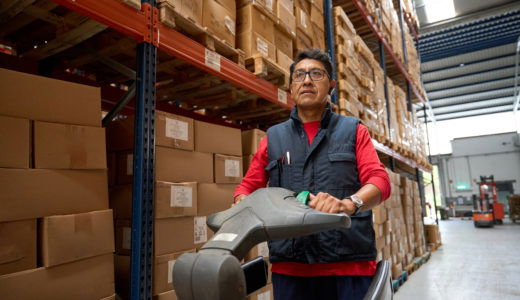
Insights from the Costco Lawsuit: How Medical Leave and Reasonable Accommodations Intersect in California
When a medical crisis hits, workers often assume their employer will follow the law, offer support and make reasonable accommodations. But what happens when the company’s leave policy limits clash with California…

When Algorithms Make the Decisions: What Workers Should Know About AI and Employment Discrimination
Hiring practices have changed dramatically in the last decade. Many job seekers today never speak to a person during the early stages of applying for work. Instead, they interact with software platforms…

Can AI Be Biased? What California Workers Should Know About the New Rules for Hiring Technology
Artificial intelligence has become a major player in the workplace, especially in hiring. Whether you realize it or not, many employers now use automated tools to screen resumes, rank candidates and even…
SEEN ON